A cross platform, customizable graphical frontend for launching emulators and managing your game collection.
A cross platform, customizable graphical frontend for launching emulators and managing your game collection.
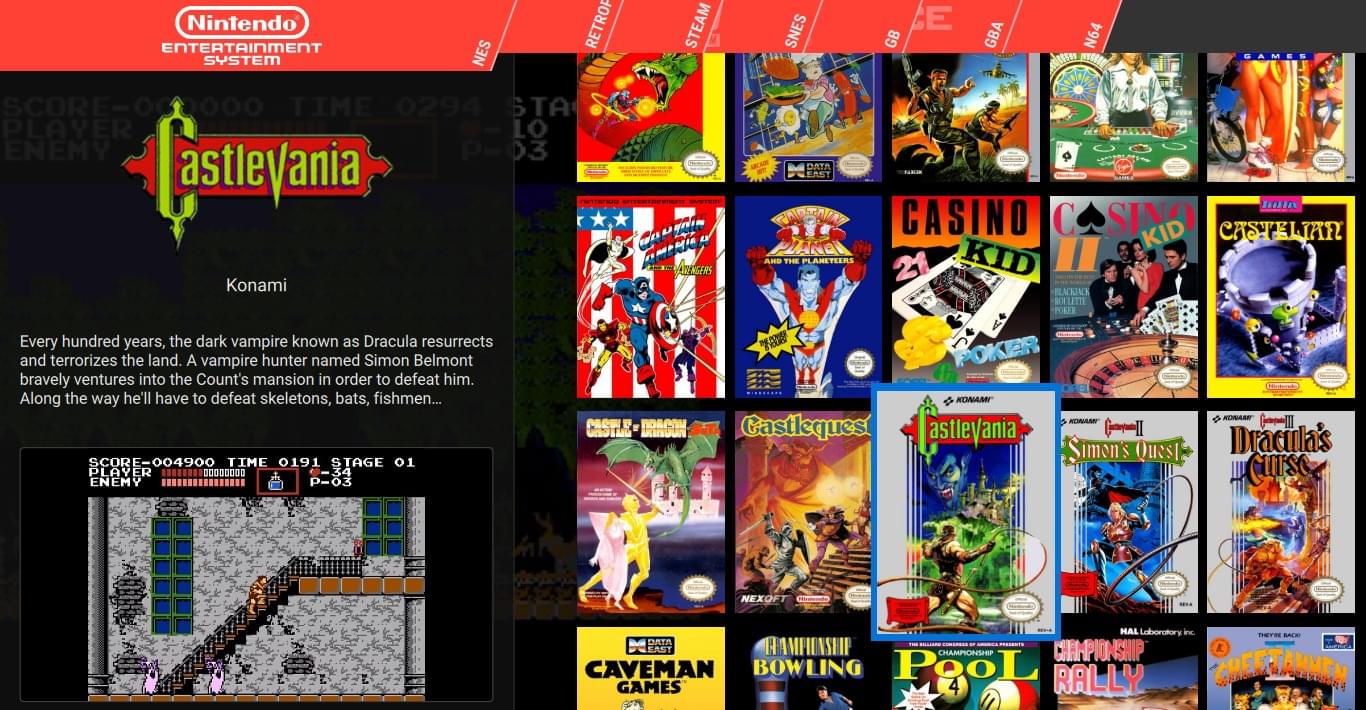
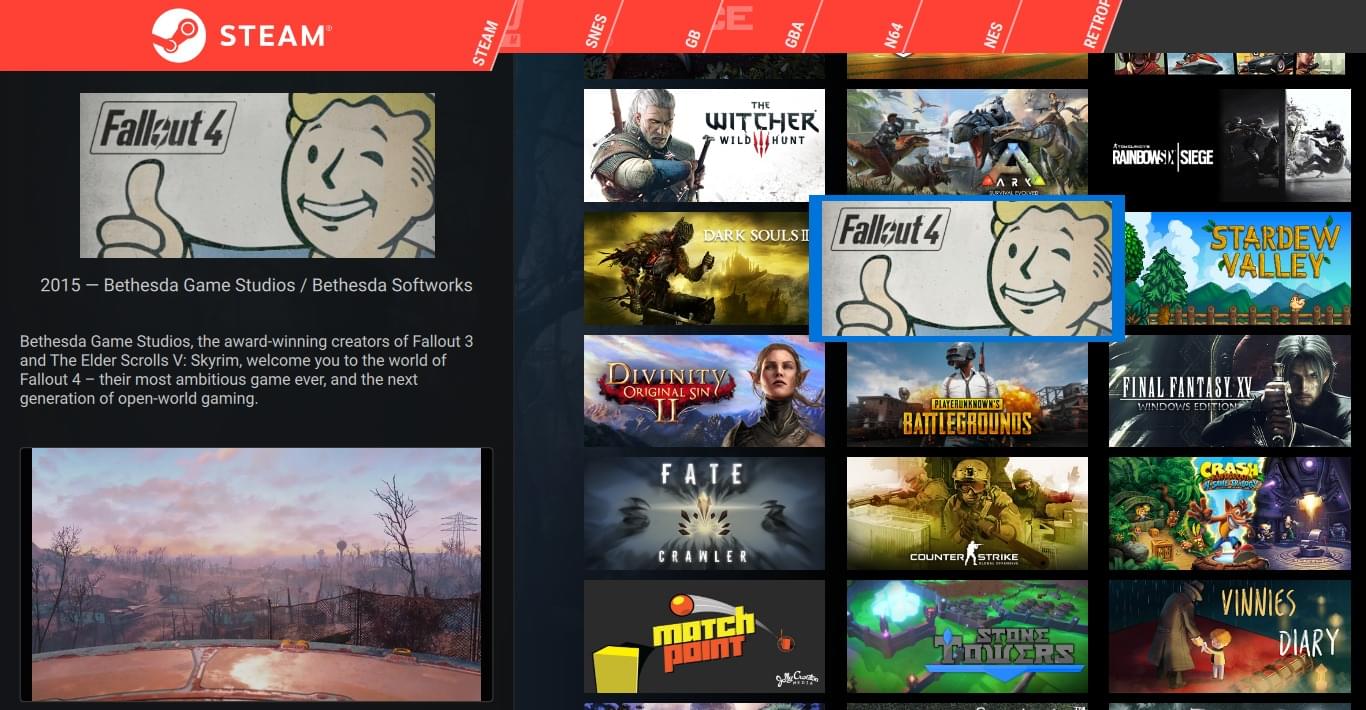
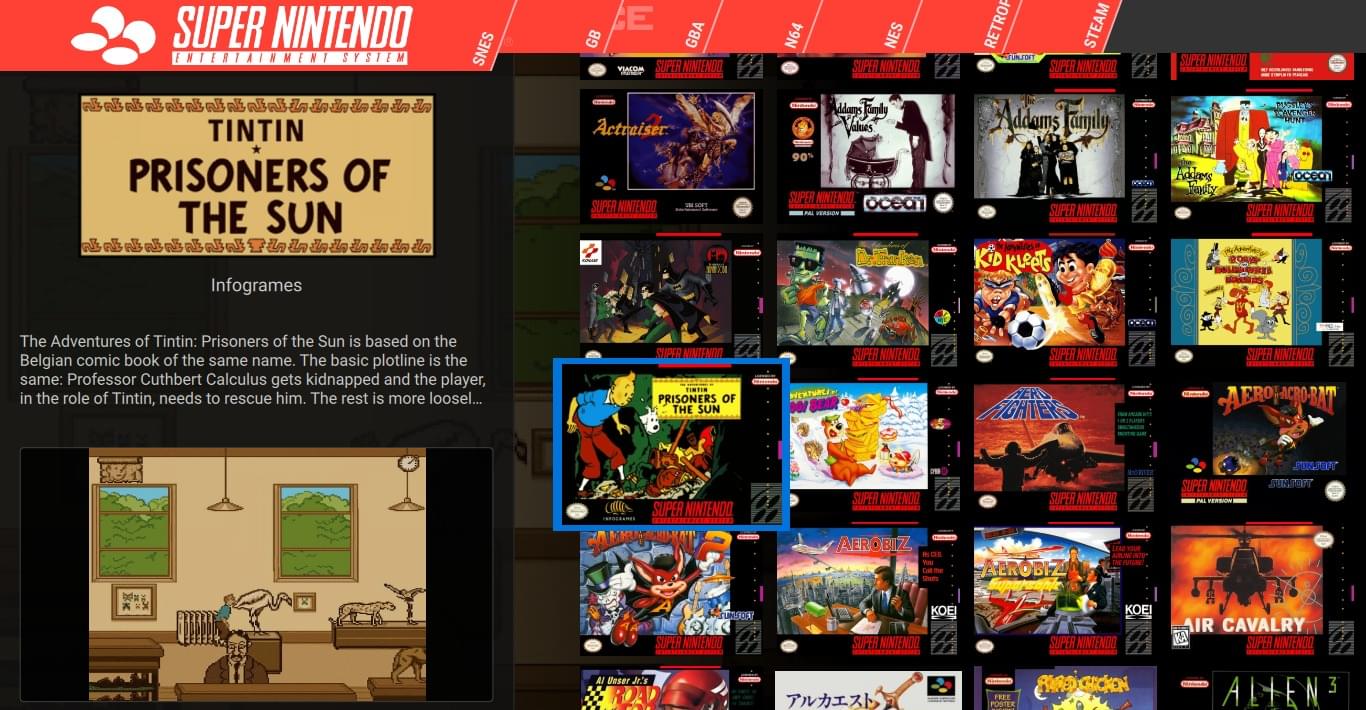
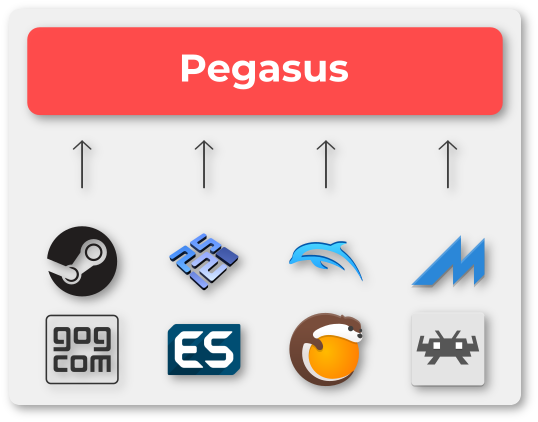
Pegasus is a graphical frontend for browsing your game library (especially retro games) and launching them from one place. It's focusing on customizability, cross platform support (including embedded devices) and high performance.
Instead of launching different games with different emulators one by one manually, you can add them to Pegasus and launch the games from a friendly graphical screen from your couch. You can add all kinds of artworks, metadata or video previews for each game to make it look even better!
With additional themes, you can completely change everything that is on the screen. Add or remove UI elements, menu screens, whatever. Want to make it look like Kodi? Steam? Any other launcher? No problem. You can add animations and effects, 3D scenes, or even run your custom shader code.
Pegasus can run on Linux, Windows, Mac, Raspberry Pi, Odroid and Android devices. It's compatible with EmulationStation metadata and gamelist files, and instantly recognizes your Steam games!
# Inside AVL BOOST Python Console (Tools → Python Console) import avl_boost_api as avl case = avl.get_current_case() pressure = case.get_element_result("Cylinder_1", "CylinderPressure") pressure.to_csv("pressure_vs_ca.csv")
Ask in the official AVL Community Forum (new platform launched in late 2024) or leave a comment below.
I can provide the exact mathematical inputs or model templates for your specific project. Share public link avl boost tutorial upd
Let’s simulate a at full load, 6000 RPM.
Launch AVL BOOST. You will see:
is a fully integrated 1D simulation software specialized for internal combustion engine (ICE) performance, emissions, and acoustics. The latest updates in the AVL Simulation Suite 2025 R2 focus heavily on integrating AI-driven tools, such as the assistant and AVL EXPLORE for smarter design optimization. Core Tutorial: Building an Engine Model
Modeling 6-cylinder diesel engines for optimal transmission ratios and load points. # Inside AVL BOOST Python Console (Tools →
AVL Boost expects a specific subroutine interface. Navigate to your project directory and locate or create the user.f file. Below is a (a simple Gaussian function, as example):
I can provide a tailored, in-depth guide on that specific topic. Simulation Software Training - AVL Launch AVL BOOST
Controls simulation runs, case variations, and parallel processing. Fundamental Workflow Select components from the palette. Place components into the project window. Connect elements using flow paths (pipes). Define global engine parameters. Input specific boundary conditions for each element. 2. Advanced Component Modeling
When launching the software, the graphical user interface (GUI) serves as your central command center.


