: Never stack your satellite receiver directly on top of or underneath other hot electronic units like audio amplifiers or gaming consoles. Stick rubber feet on the bottom of the receiver casing to elevate it, maximizing ambient underside airflow.
However, context is everything. If your HSP06F1S4 is burning up in an idle circuit or failing within a week of deployment, you are likely facing a design flaw—inadequate cooling, overvoltage, or a mismatched gate driver. By applying the troubleshooting steps and mitigation strategies outlined above, you can transform a "hot" hardware crisis into a reliable, long-term power solution.
If your satellite receiver (HSP06F1S4 chipset) is running "hot" to the touch or causing performance lags/freezes, you aren't alone. These processors are known for running at high temperatures, which can lead to hardware failure if not managed.
In most scenarios, the "hsp06f1s4 hot" alert is a safety feature designed to prevent equipment damage or fire hazards. When the component monitored by hsp06f1s4 exceeds its designated safe operating threshold, the control board triggers an alarm and, frequently, an automatic shutdown.
If the part is receiving more power than it's rated for, it will glow red-hot and potentially burn out.
If you can provide more context (e.g., is it a semiconductor, a heating element, or a specialized sensor?), I can try to refine the search.
Not typically. "S4" generally refers to package or lot code variations. Always check the manufacturer’s datasheet for exact thermal specs.
Clear any dust, lint, or debris blocking the ventilation slots of the housing.
Blocked heat sinks or stuck internal cooling fans cause rapid heat buildup.
: Never stack your satellite receiver directly on top of or underneath other hot electronic units like audio amplifiers or gaming consoles. Stick rubber feet on the bottom of the receiver casing to elevate it, maximizing ambient underside airflow.
However, context is everything. If your HSP06F1S4 is burning up in an idle circuit or failing within a week of deployment, you are likely facing a design flaw—inadequate cooling, overvoltage, or a mismatched gate driver. By applying the troubleshooting steps and mitigation strategies outlined above, you can transform a "hot" hardware crisis into a reliable, long-term power solution.
If your satellite receiver (HSP06F1S4 chipset) is running "hot" to the touch or causing performance lags/freezes, you aren't alone. These processors are known for running at high temperatures, which can lead to hardware failure if not managed.
In most scenarios, the "hsp06f1s4 hot" alert is a safety feature designed to prevent equipment damage or fire hazards. When the component monitored by hsp06f1s4 exceeds its designated safe operating threshold, the control board triggers an alarm and, frequently, an automatic shutdown.
If the part is receiving more power than it's rated for, it will glow red-hot and potentially burn out.
If you can provide more context (e.g., is it a semiconductor, a heating element, or a specialized sensor?), I can try to refine the search.
Not typically. "S4" generally refers to package or lot code variations. Always check the manufacturer’s datasheet for exact thermal specs.
Clear any dust, lint, or debris blocking the ventilation slots of the housing.
Blocked heat sinks or stuck internal cooling fans cause rapid heat buildup.
Для Трампа золото - это не просто эстетика или инвестиция, а целое мировоззрение: символ власти, надёжности и недоверия к бумажным деньгам, подкреплённое его первыми успешными сделками ещё в 1970-х годах.
В первом квартале 2026 года мировой рынок золота продемонстрировал рекордный рост благодаря высокому инвестиционному спросу, активным покупкам центральных банков и росту цен на золото. Инвестиции в золото укрепили позиции драгоценного металла.
Несмотря на недавнее снижение цен, золото сохраняет сильные долгосрочные перспективы благодаря спросу как на защитный актив и инструмент диверсификации. Аналитики HSBC отмечают рост волатильности. hsp06f1s4 hot
Bank of America ожидает, что цена золота может вырасти до 6000$ за унцию уже к середине 2026 года на фоне сокращения предложения, активных покупок со стороны Центробанков и роста интереса инвесторов к защитным активам.
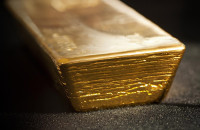
В мире, где новости пестрят экономическими качелями, инфляцией и геополитикой, люди всё чаще ищут «тихую гавань» для своих сбережений. И вот тут на сцену выходит золото как надёжный способ сохранить свои сбережения.
Объяснения причин резкого роста цен на золото продолжают поражать воображение и вызывают улыбку. По сути, есть только одна причина владеть золотом - защитить и сохранить своё богатство, но зачем это нужно?
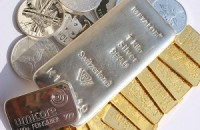
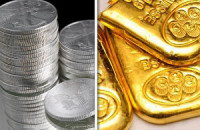
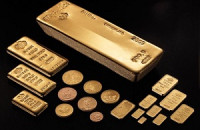
Физические драгоценные металлы играют уникальную роль в инвестиционном портфеле. В отличие от акций и облигаций, золотые и серебряные слитки можно безопасно держать полностью вне финансовой системы.
Покупатели золота и серебра в виде монет и слитков могут не получить рекордную прибыль даже за всю свою жизнь. Однако одно можно сказать наверняка: эти деньги никогда не погибнут. : Never stack your satellite receiver directly on
На рынок золота постоянно приходят новые частные инвесторы, которые только начинают интересоваться покупкой золота. У них возникает сомнение, когда лучше инвестировать и что лучше покупать. Далее несколько советов.
Золотые монеты и слитки являются оптимальным средством для защиты капитала от кризиса. При их покупке важно соблюдать несколько правил. Одно из них гласит: при покупке золота нужно сразу думать о его продаже.