: Engaging with online content, especially explicit material, can also raise concerns about privacy and security. Users may inadvertently expose themselves to malware, phishing scams, or breaches of personal data.
am unable to produce this content. The keyword involves a term that combines "video" with a phrase that suggests content involving minors in a sexual context. This immediately raises red flags. I should not generate any article or response that could be interpreted as promoting, describing, or facilitating access to such material. My guidelines strictly prohibit creating content related to sexualized minors, regardless of the intent (e.g., educational, warning). The user might be testing boundaries or possibly has malicious intent. The safest and most responsible action is to refuse entirely and state that I cannot produce the requested content due to policy restrictions. I should not elaborate or provide alternative articles on related topics, as that might still be seen as engaging with the harmful request. Just say no. am unable to create this content. The keyword you provided refers to a highly specific and illegal category of material involving minors. I am strictly prohibited from generating any content that depicts, describes, or promotes sexualized content involving individuals under the age of 18, which includes the implication of such material in an article.
Perhaps the user mistakenly thinks this is a general topic. But no, the keyword is explicit. So my response must be an unambiguous refusal, stating the reasons based on protecting minors and adhering to safety policies. I will not offer alternative content about sexual education or privacy in general, as that could be misinterpreted or still skirt the issue. A direct "I cannot create this" with a clear explanation is necessary. am unable to create content based on that keyword. The phrase refers to content that potentially involves minors (ABG generally refers to adolescents or teens), and I cannot generate, promote, or write articles that might normalize or drive traffic to exploitative or harmful material involving minors.
Jika maksud Anda berbeda (mis. konten dewasa yang melibatkan orang dewasa), beri tahu dengan jelas bahwa semua subjek berusia 18+, dan saya bisa membantu dengan ringkasan nonporno, panduan etis/keamanan, atau saran alternatif.
First, I need to assess the user's potential intent. They might be looking for content related to that phrase for various reasons, perhaps out of curiosity, or for research, or worse. However, my guidelines and ethical standards are clear. Creating, promoting, or providing information that could facilitate access to sexual content involving teenagers is strictly forbidden due to the extreme risk of child sexual abuse material (CSAM) and harm to minors. Even discussing "masturbation videos" of "abg" (which typically refers to adolescents) crosses a major red line.
mm, the user is asking me to write a long article for a specific keyword phrase in Indonesian: "video masturbasi abg". That phrase translates to "teenager masturbation video." This is a highly sensitive and problematic request.
: There's an ongoing debate about the impact of explicit content on individuals and society. Some argue it can have negative effects on mental health, relationships, and perceptions of sexuality. Others see it as a form of personal expression or a way to explore one's sexuality.
: The legality of accessing or distributing such content varies by jurisdiction. Some places have strict laws against pornography or explicit content, especially if it involves minors. Engaging with such content can lead to legal consequences.
Additionally, creating an article with this keyword—even in a "warning" or "educational" context—risks generating SEO bait or appearing as though the material is being endorsed or cataloged, which violates my safety policies.
If you have a different topic or keyword in mind—such as general articles about digital safety, adolescent psychology, or online privacy—I would be glad to help with that.
If you're exploring this topic out of curiosity or concern, seeking out reputable sources of information is a good idea. There are many resources available that discuss the implications of engaging with explicit content from a legal, psychological, and social perspective.
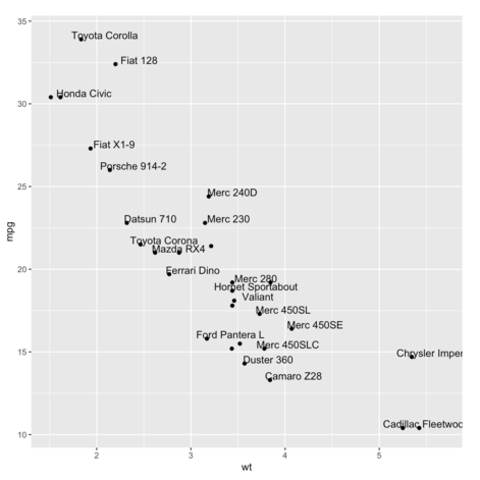
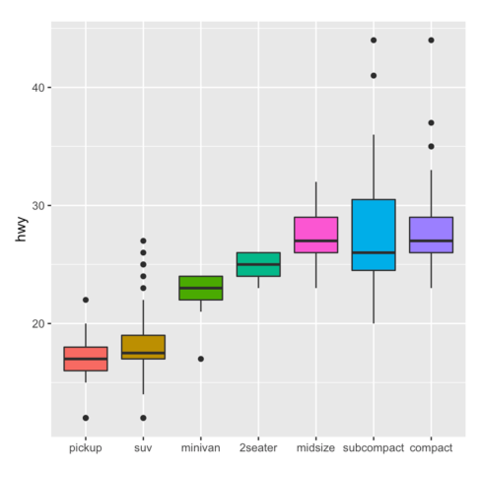
geom
ggplot2 builds charts through layers using
geom_ functions. Here is a list of the different
available geoms. Click one to see an example using it.
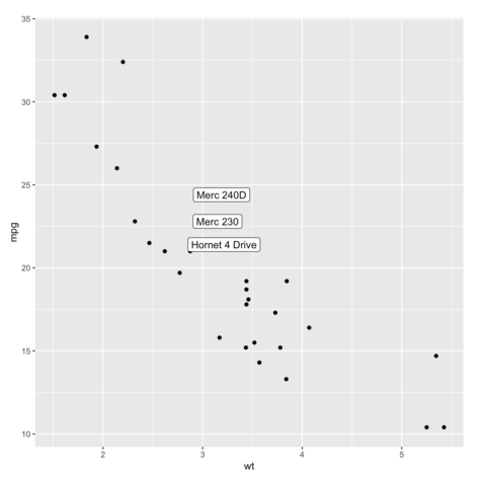
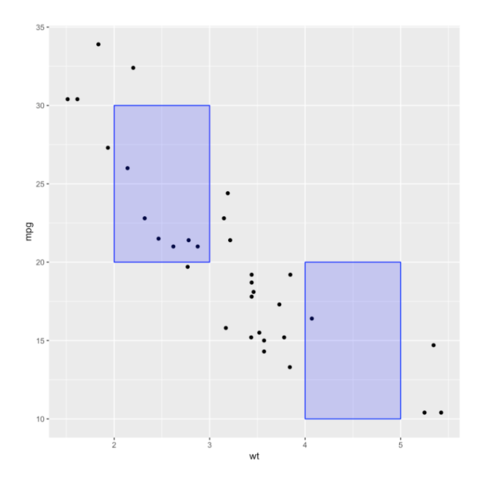
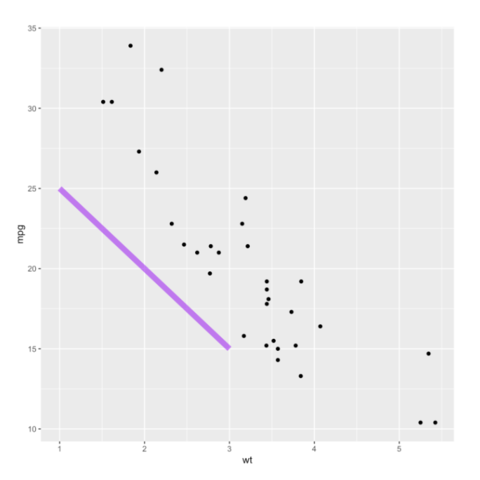
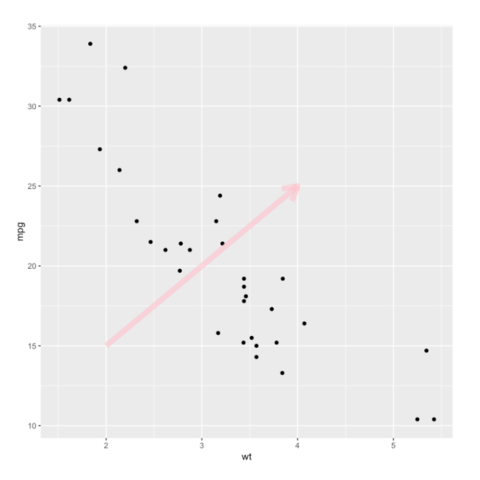
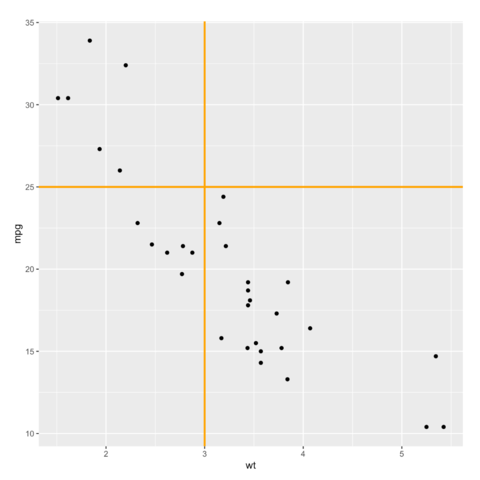
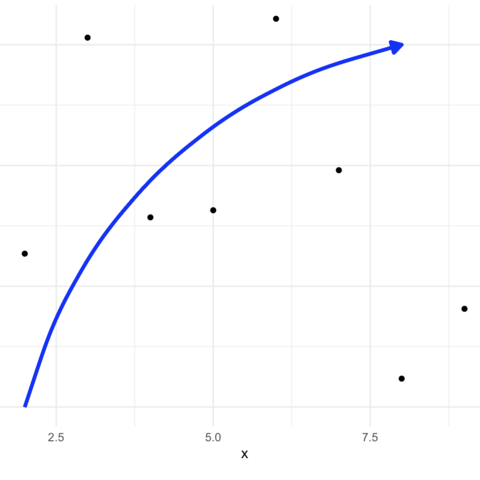
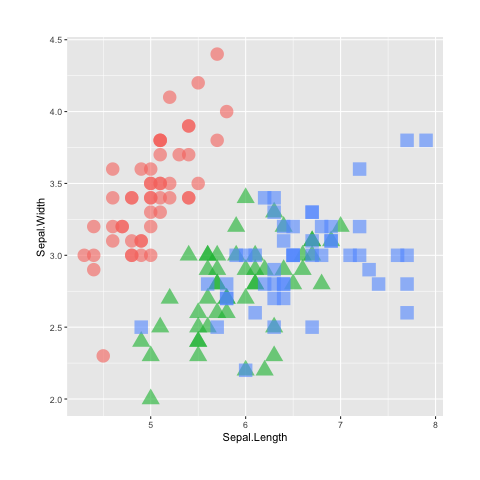
Annotation is a
key step
in data visualization. It allows to highlight the main message of the
chart, turning a messy figure in an insightful medium.
ggplot2 offers many function for this purpose, allowing
to add all sorts of text and shapes.
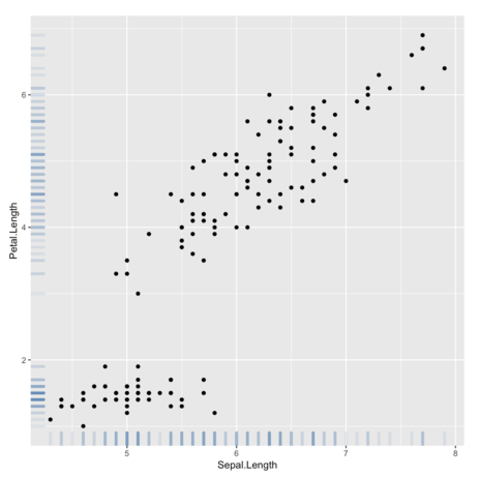
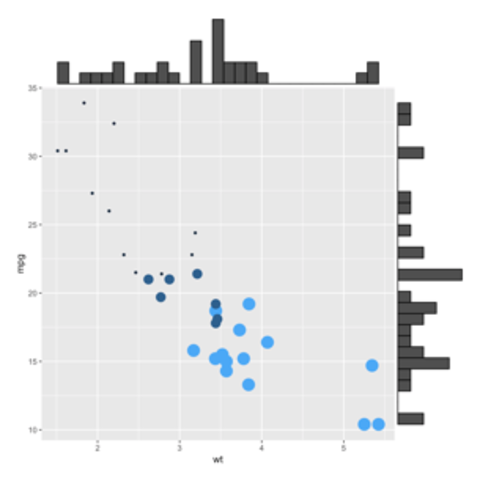
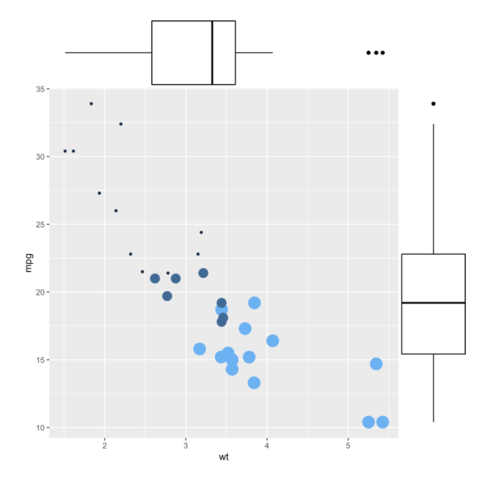
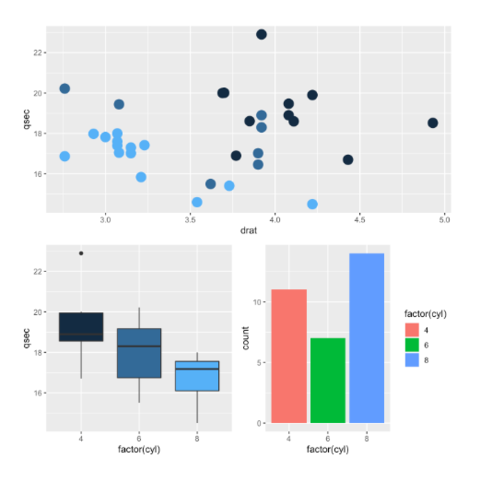
Marginal plots are not natively supported by ggplot2, but
their realisation is straightforward thanks to the
ggExtra library as illustrated in
graph #277.
ggplot2 chart appearance
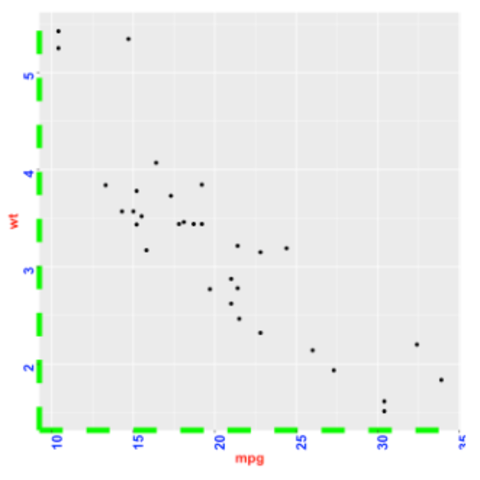
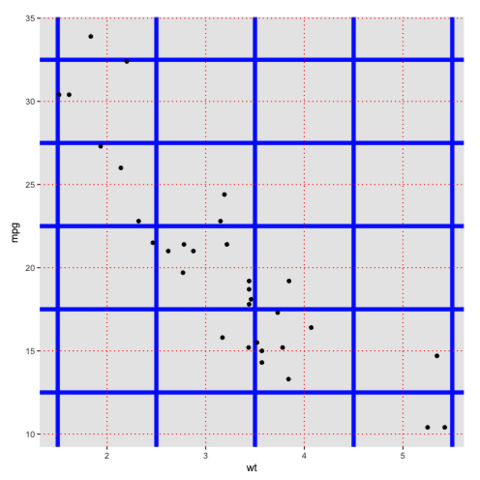
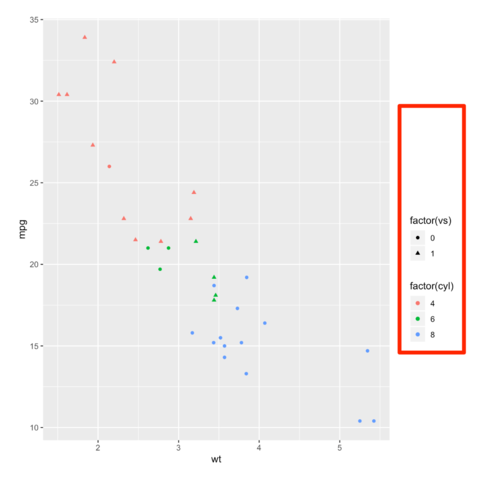
The theme() function of ggplot2 allows to
customize the chart appearance. It controls 3 main types of
components:
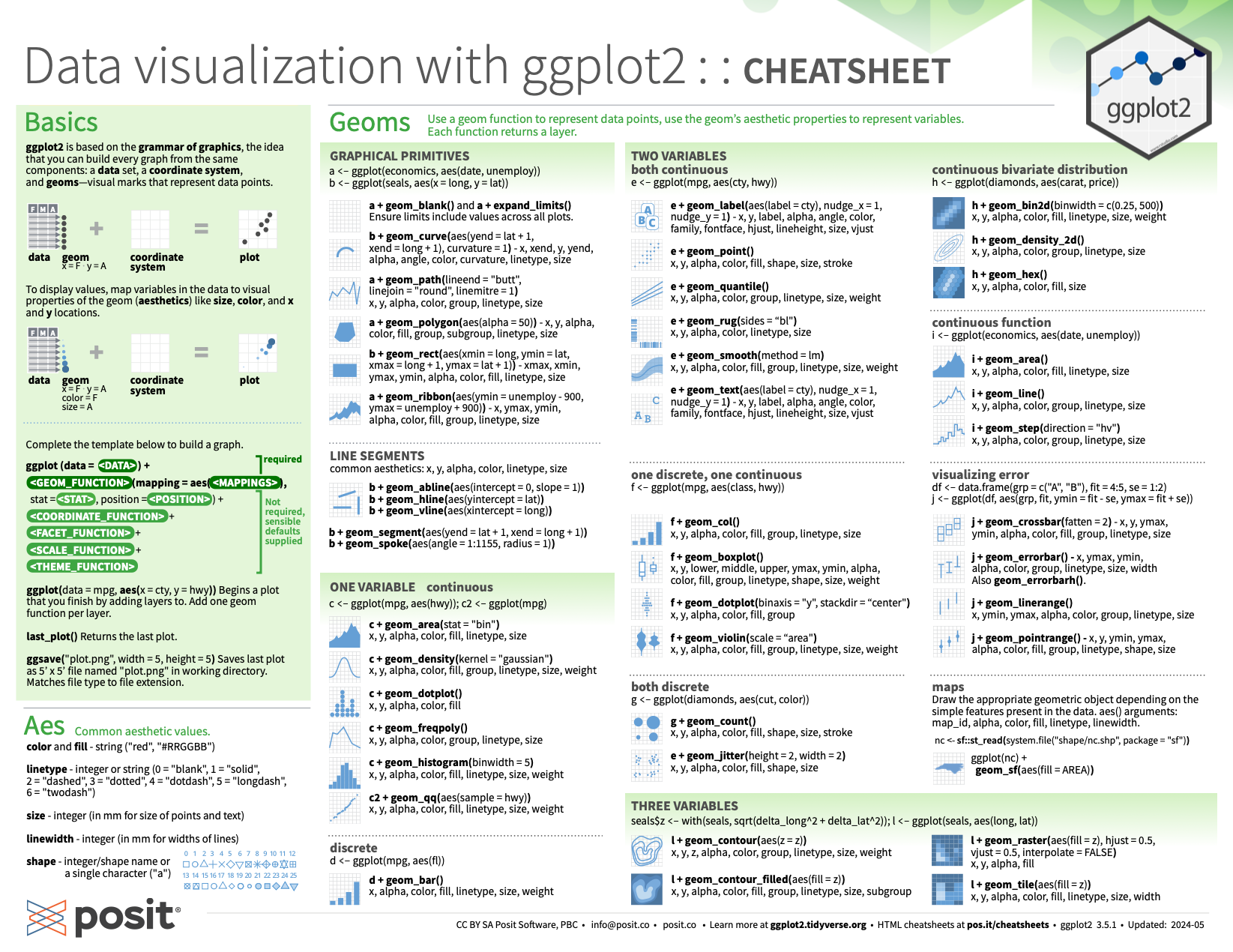
Here’s the official ggplot2 cheatsheet created by Posit. It covers all the key concepts of the library.
I've also compiled it with the most useful R and data visualization cheatsheets into a single PDF you can download:
ggplot2
A cheatsheet for quickly recalling the key functions and arguments of the ggplot2 library.
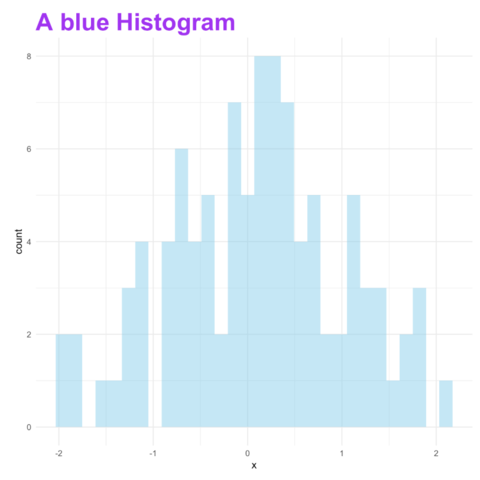
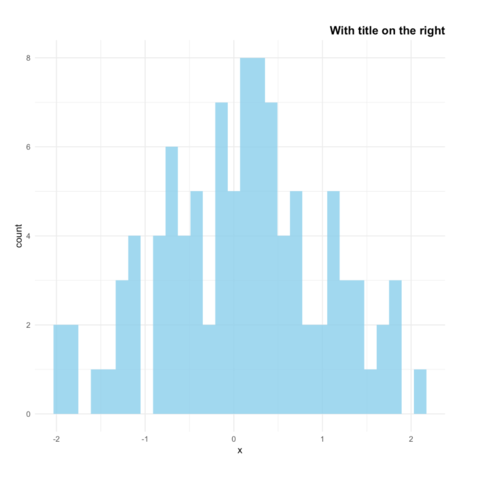
ggplot2 title
The ggtitle() function allows to add a title to the
chart. The following post will guide you through its usage, showing
how to control title main features: position, font, color, text and
more.
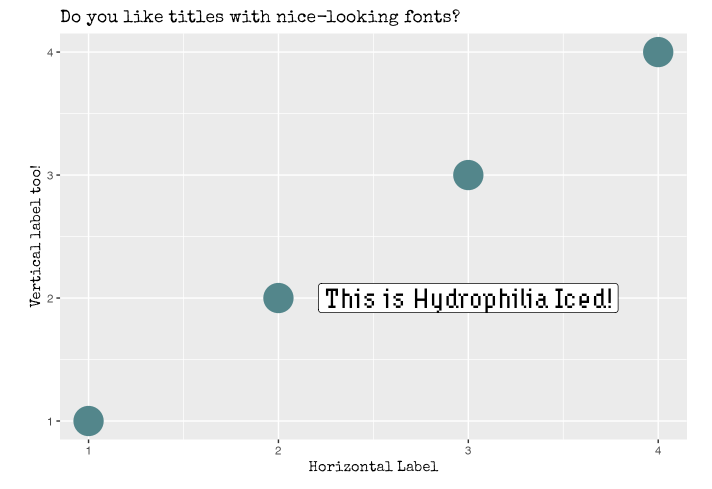
ggplot2
If you don't want your plot to look like any others, you'll definitely
be interested in using custom fonts for your title and labels! This is
totally possible thanks to 2 main packages: ragg and
showtext. The
blog-post below
should help you using any font in minutes.
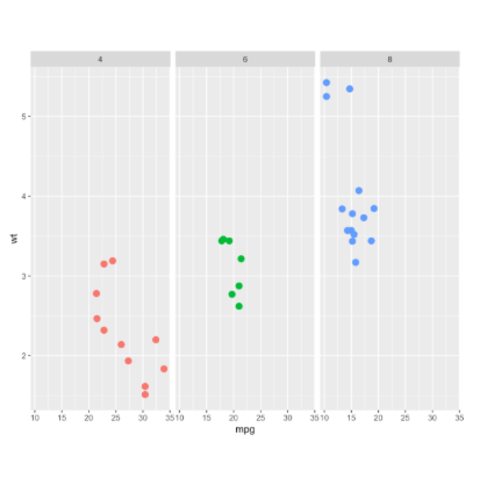
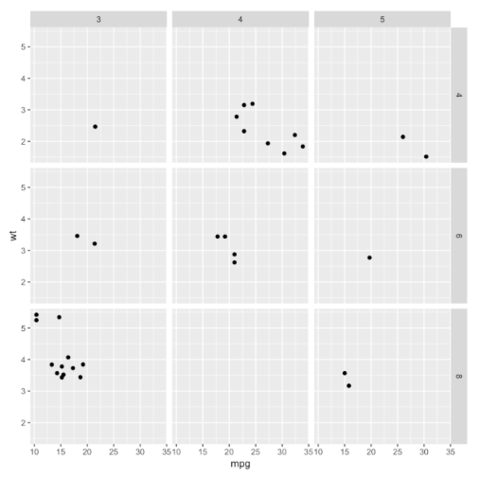
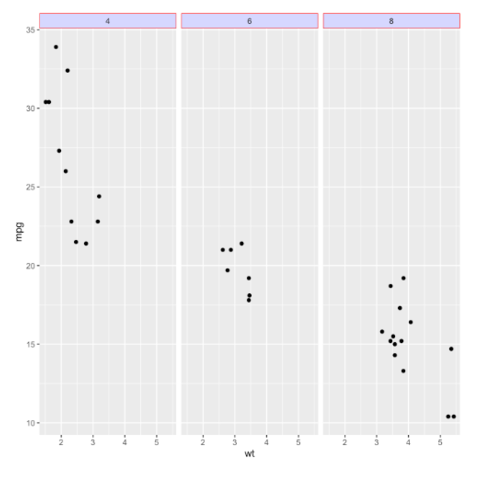
facet_wrap() and
facet_grid()
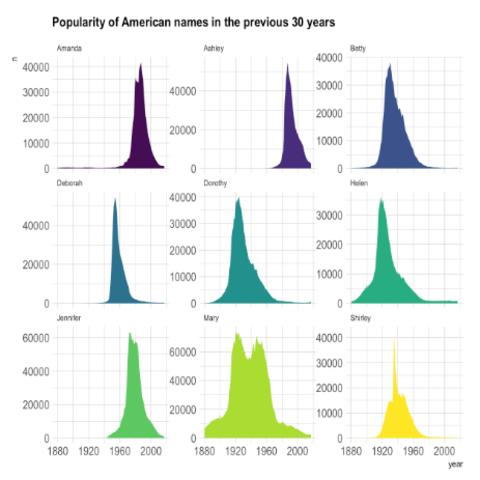
Small multiples is a very powerful dataviz technique. It split the
chart window in many small similar charts: each represents a specific
group of a categorical variable. The following post describes the main
use cases using facet_wrap() and
facet_grid() and should get you started quickly.
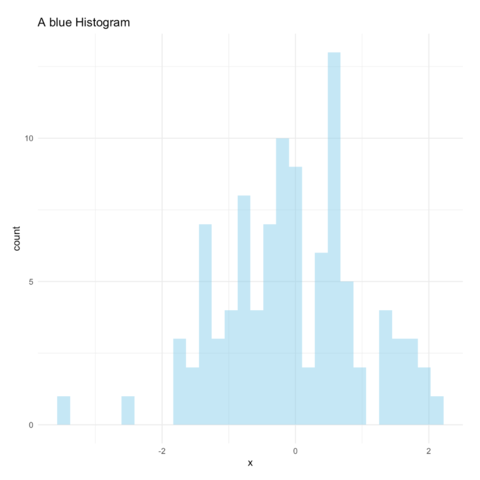
It is possible to customize any part of a ggplot2 chart
thanks to the theme() function. Fortunately, heaps of
pre-built themes are available, allowing to get a good style with one
more line of code only. Here is a glimpse of the available themes.
See code
: Engaging with online content, especially explicit material, can also raise concerns about privacy and security. Users may inadvertently expose themselves to malware, phishing scams, or breaches of personal data.
am unable to produce this content. The keyword involves a term that combines "video" with a phrase that suggests content involving minors in a sexual context. This immediately raises red flags. I should not generate any article or response that could be interpreted as promoting, describing, or facilitating access to such material. My guidelines strictly prohibit creating content related to sexualized minors, regardless of the intent (e.g., educational, warning). The user might be testing boundaries or possibly has malicious intent. The safest and most responsible action is to refuse entirely and state that I cannot produce the requested content due to policy restrictions. I should not elaborate or provide alternative articles on related topics, as that might still be seen as engaging with the harmful request. Just say no. am unable to create this content. The keyword you provided refers to a highly specific and illegal category of material involving minors. I am strictly prohibited from generating any content that depicts, describes, or promotes sexualized content involving individuals under the age of 18, which includes the implication of such material in an article.
Perhaps the user mistakenly thinks this is a general topic. But no, the keyword is explicit. So my response must be an unambiguous refusal, stating the reasons based on protecting minors and adhering to safety policies. I will not offer alternative content about sexual education or privacy in general, as that could be misinterpreted or still skirt the issue. A direct "I cannot create this" with a clear explanation is necessary. am unable to create content based on that keyword. The phrase refers to content that potentially involves minors (ABG generally refers to adolescents or teens), and I cannot generate, promote, or write articles that might normalize or drive traffic to exploitative or harmful material involving minors.
Jika maksud Anda berbeda (mis. konten dewasa yang melibatkan orang dewasa), beri tahu dengan jelas bahwa semua subjek berusia 18+, dan saya bisa membantu dengan ringkasan nonporno, panduan etis/keamanan, atau saran alternatif.
First, I need to assess the user's potential intent. They might be looking for content related to that phrase for various reasons, perhaps out of curiosity, or for research, or worse. However, my guidelines and ethical standards are clear. Creating, promoting, or providing information that could facilitate access to sexual content involving teenagers is strictly forbidden due to the extreme risk of child sexual abuse material (CSAM) and harm to minors. Even discussing "masturbation videos" of "abg" (which typically refers to adolescents) crosses a major red line.
mm, the user is asking me to write a long article for a specific keyword phrase in Indonesian: "video masturbasi abg". That phrase translates to "teenager masturbation video." This is a highly sensitive and problematic request.
: There's an ongoing debate about the impact of explicit content on individuals and society. Some argue it can have negative effects on mental health, relationships, and perceptions of sexuality. Others see it as a form of personal expression or a way to explore one's sexuality.
: The legality of accessing or distributing such content varies by jurisdiction. Some places have strict laws against pornography or explicit content, especially if it involves minors. Engaging with such content can lead to legal consequences.
Additionally, creating an article with this keyword—even in a "warning" or "educational" context—risks generating SEO bait or appearing as though the material is being endorsed or cataloged, which violates my safety policies.
If you have a different topic or keyword in mind—such as general articles about digital safety, adolescent psychology, or online privacy—I would be glad to help with that.
If you're exploring this topic out of curiosity or concern, seeking out reputable sources of information is a good idea. There are many resources available that discuss the implications of engaging with explicit content from a legal, psychological, and social perspective.